
MarineAI: Revolutionizing Oceanography with Artificial Intelligence
Discover how cutting-edge AI technology transforms our understanding of marine ecosystems, enabling unprecedented insights into ocean currents, wildlife behavior, water quality, and sustainable fishing practices.
Explore ApplicationsKey Applications of AI in Marine Science

Ocean Current Analysis
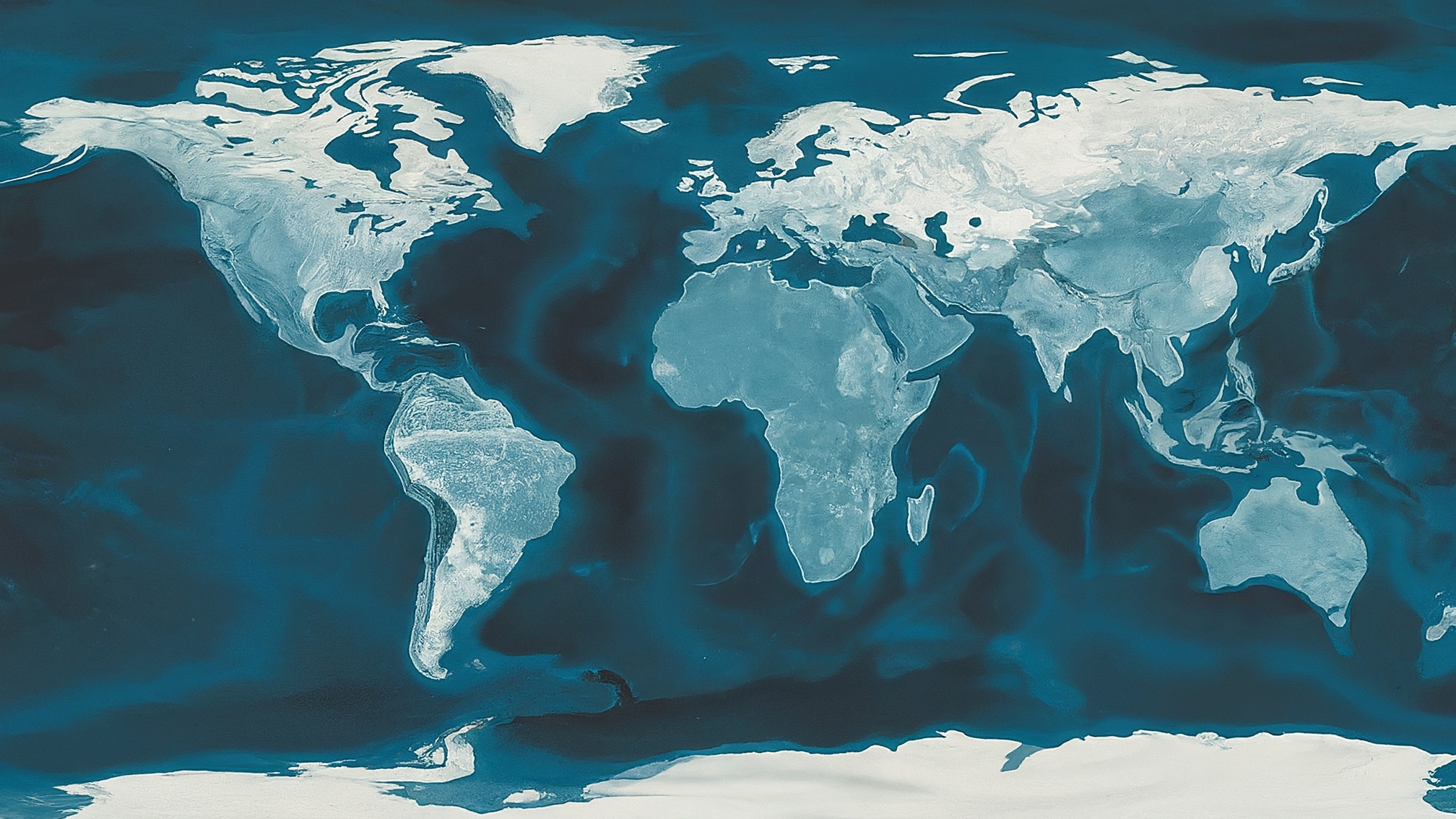
AI algorithms process vast amounts of sensor data to map and predict ocean current patterns, helping scientists understand global water circulation and its impact on climate.
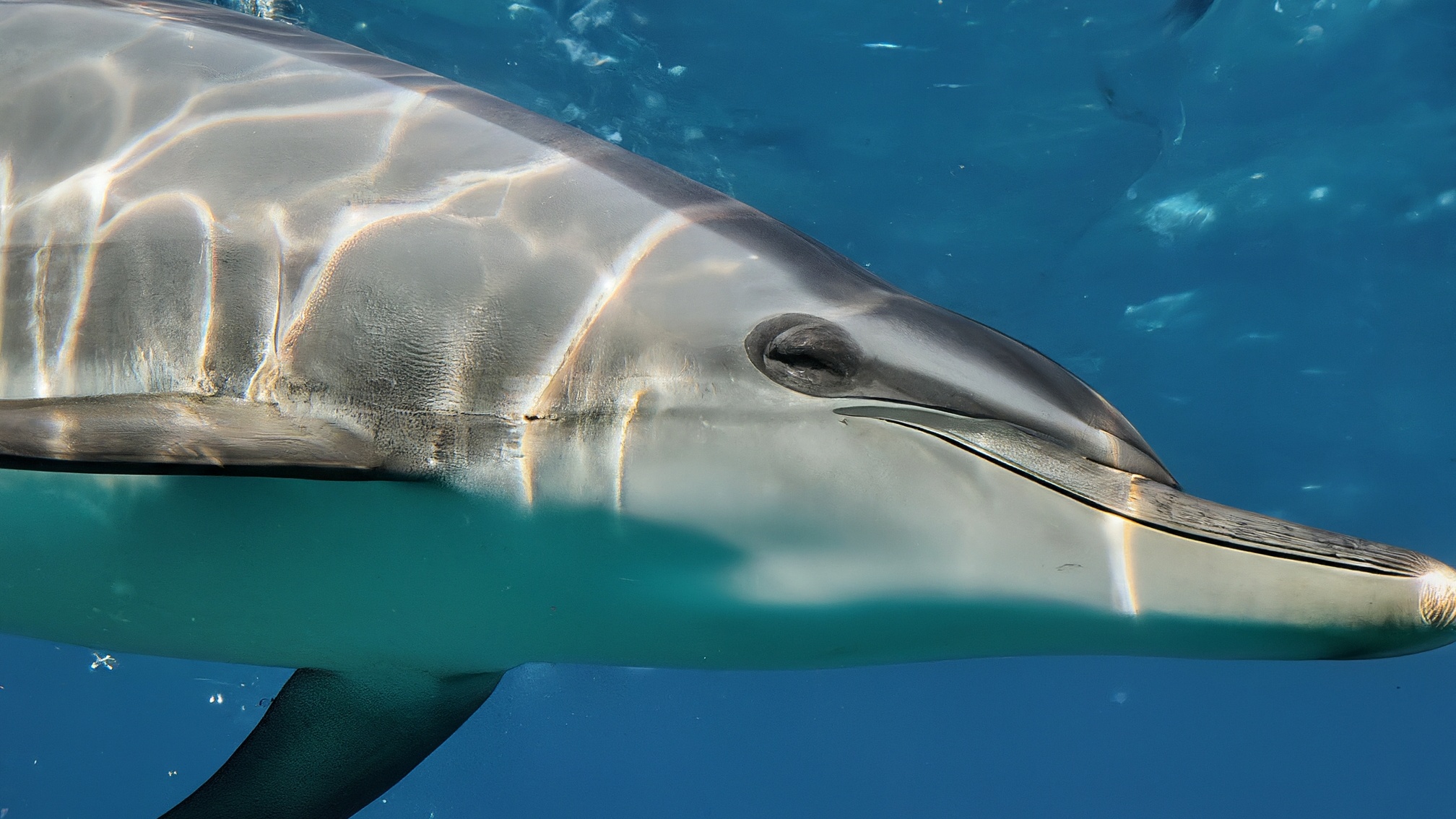
Wildlife Tracking
Machine learning models identify and track marine species through acoustic sensors and image recognition, providing crucial data for conservation efforts.

Water Quality Monitoring
Real-time AI analysis of chemical and biological parameters enables early detection of pollution and harmful algal blooms, protecting marine ecosystems.
How AI Transforms Marine Research
Data Collection
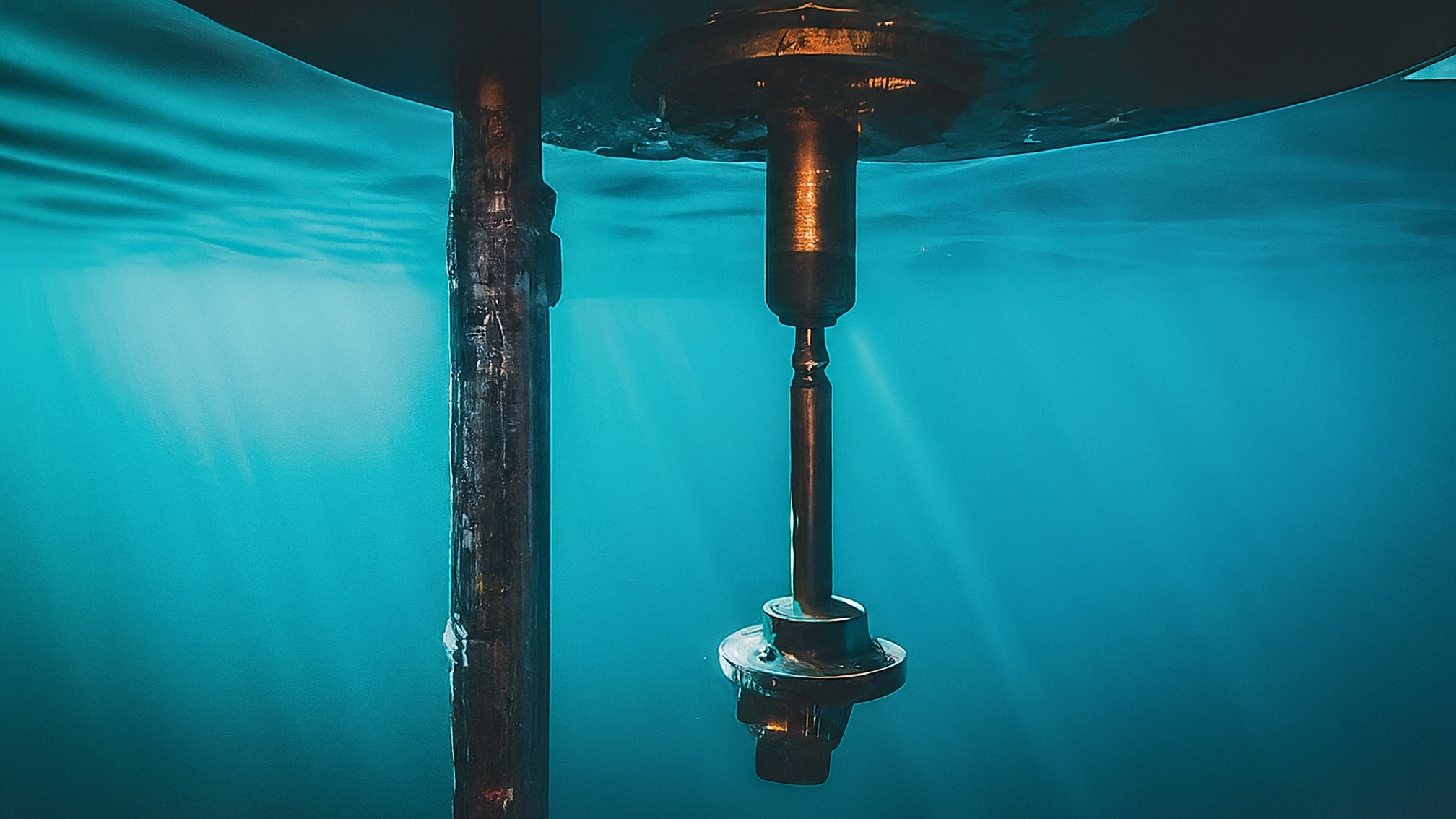
Underwater sensor networks continuously gather data on temperature, salinity, pH levels, dissolved oxygen, and biological activity. These sensors transmit information to surface buoys equipped with satellite communication systems, creating a comprehensive real-time monitoring network that spans vast ocean areas.
AI Processing
Machine learning algorithms analyze the collected data, identifying patterns and anomalies that would be impossible for humans to detect manually. Deep neural networks process acoustic signals to identify marine species, while computer vision systems analyze underwater imagery to track wildlife movements and assess ecosystem health.
Predictive Modeling
Advanced AI models predict future ocean conditions, including current shifts, temperature changes, and potential environmental threats. These predictions help researchers anticipate changes in marine ecosystems and enable proactive conservation measures. The models continuously learn and improve as new data becomes available.
Conservation Applications
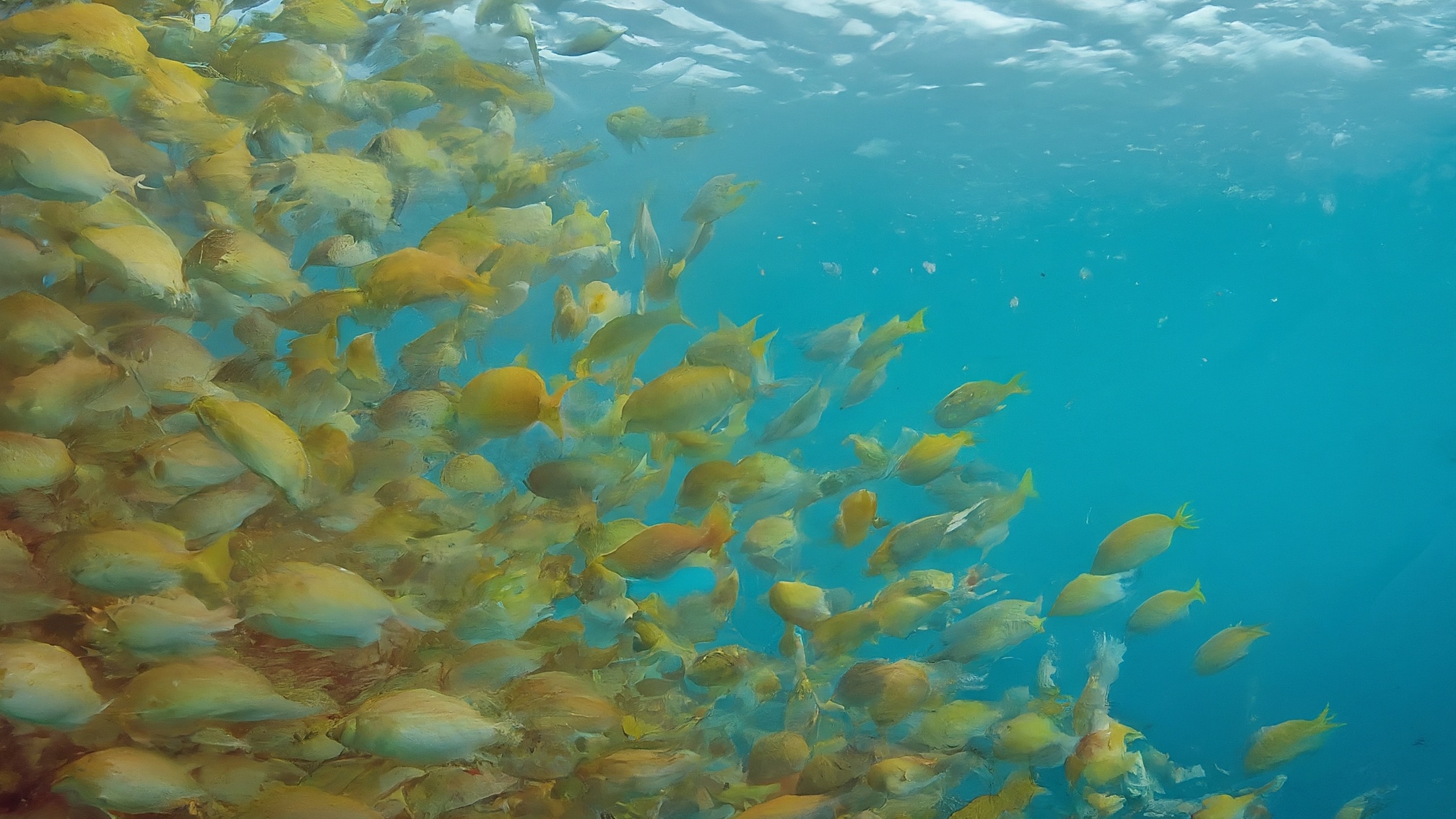
The insights generated by AI systems inform conservation strategies, helping protect endangered species and maintain biodiversity. Marine protected areas can be optimized based on AI-identified critical habitats, and fishing regulations can be adjusted to ensure sustainable practices that preserve marine ecosystems for future generations.
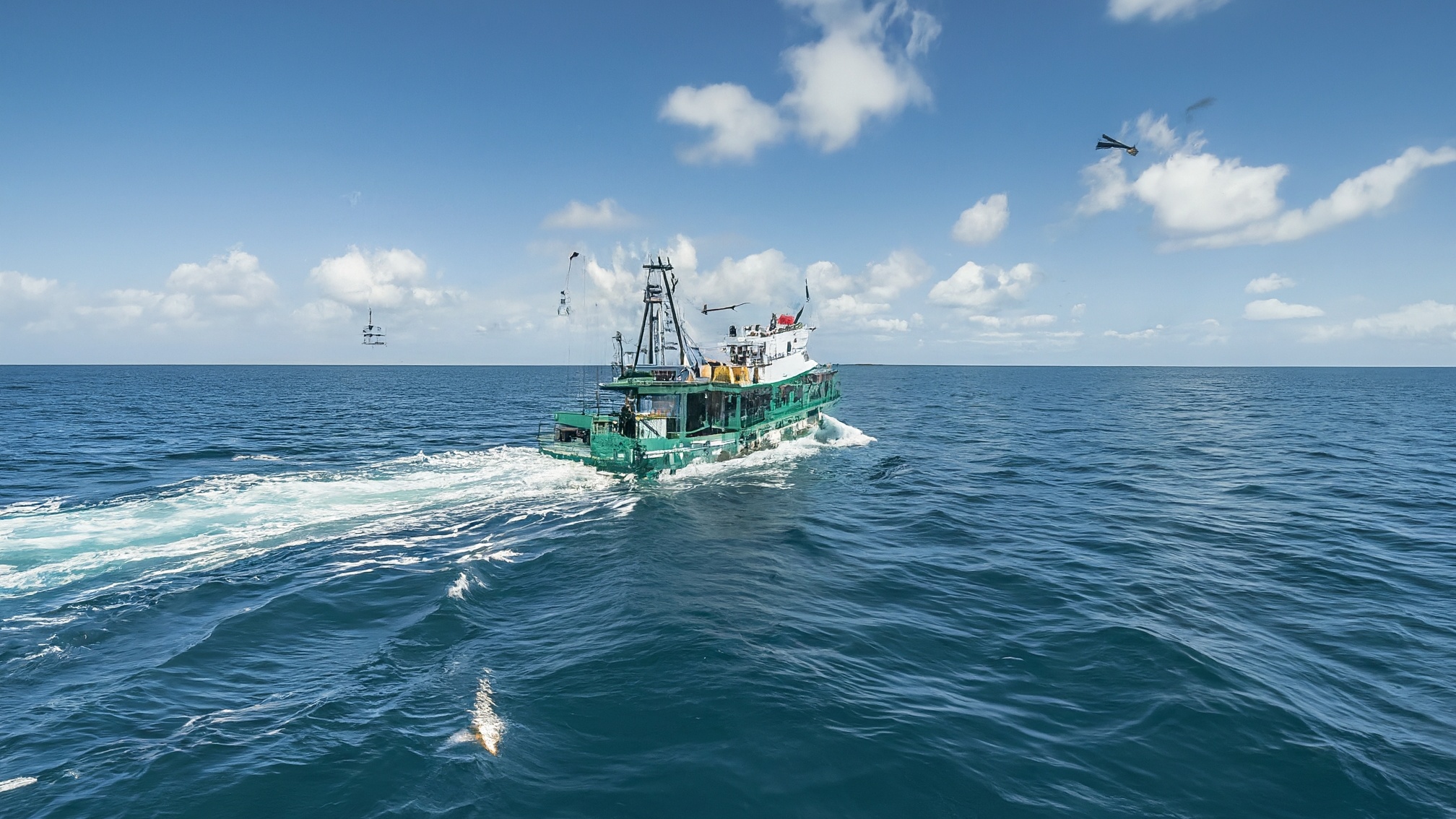
Marine Ecosystem Visualizations


Contact Us
Get in Touch
For inquiries about marine AI research and applications, please contact us using the information below.
Address:
610 E Zack St
Tampa, FL 33602
USA
Phone: +1 680-668-0276